Working time records: how to comply without drowning in paperwork
The law requires a daily record of each worker's hours. The hard part is not the obligation, it is doing it without creating a daily admin job.
Equipo Consiga 5 min read

Working time records have been mandatory in Spain for years, yet many companies still handle them with a sheet of paper at the entrance or a spreadsheet somebody fills in at the end of the month. It works right up until an inspection arrives, or until a worker claims overtime and there is no way to prove anything.
What the rule actually asks for
The obligation is to record, day by day, the specific start and end time of each employee's working day. That record must be kept for four years and be available to workers, their representatives and the labour inspectorate. A monthly total of hours is not enough: the rule talks about the daily working day.
Where the paper system fails
- It is filled in after the fact. A record completed on Friday for the whole week proves very little.
- It misses anyone who does not come to the office. Technicians, sales reps, cleaning staff at customer sites: precisely those who find it hardest to clock in are the ones left out.
- It is not cross-checked against anything. If the record is never compared with the planned shift or approved holidays, deviations only surface when somebody goes looking for them.
How to make it manageable
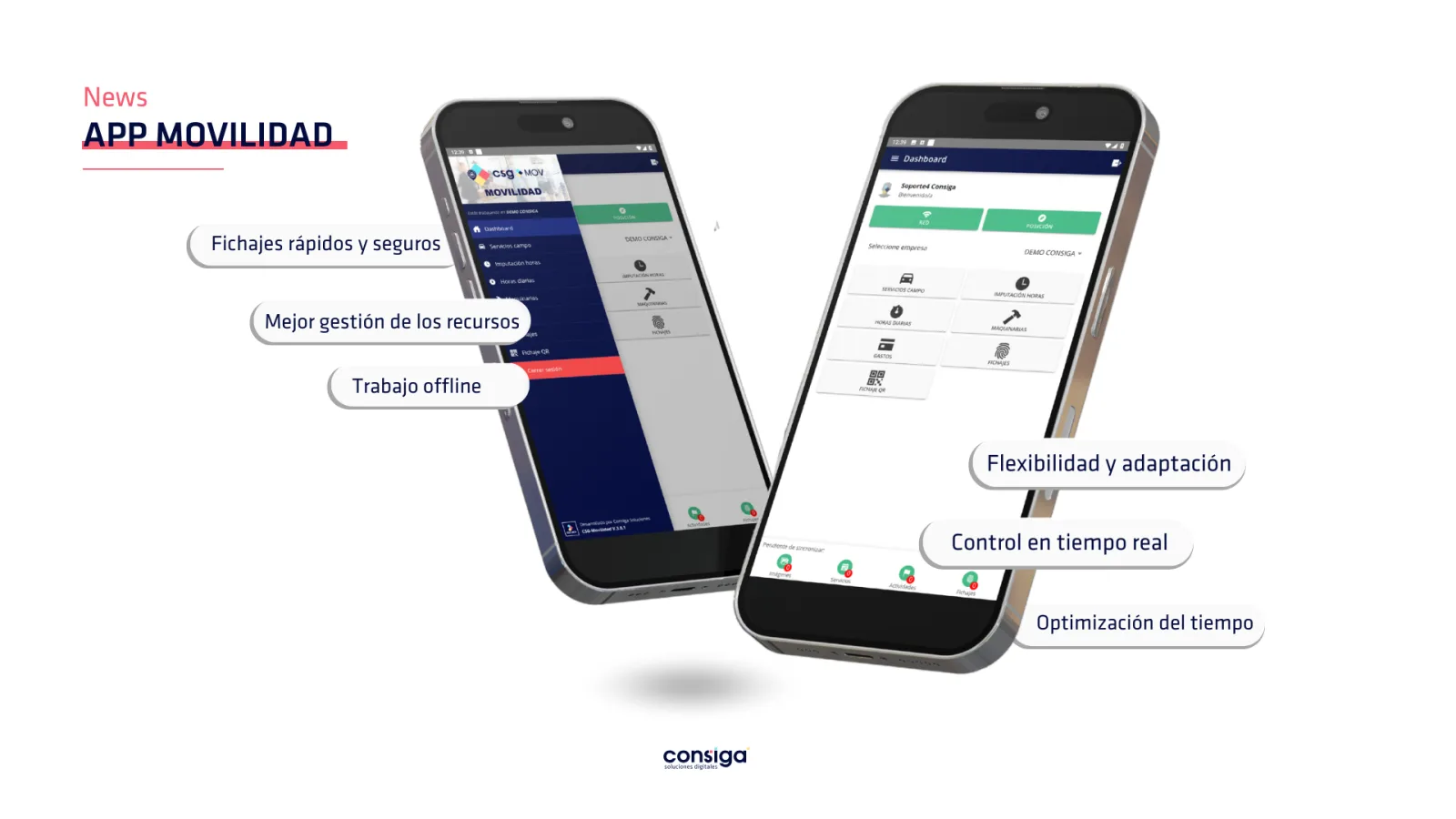
- Clock in from where the work happens. A phone with geolocation for those on the road, a QR code at the customer site, a biometric terminal where turnover is high, a browser for office staff. These can coexist.
- Let the system do the maths. Hours worked, overtime, breaks and deviations from the planned shift should come out on their own, not from a spreadsheet formula.
- Connect records with holidays and shifts. When the system knows who was due to work today and who is on leave, an absence shows up the same day rather than at month end.
- Let employees see their own record. It is their right, and it halves the questions reaching the admin team.
The benefit nobody mentions
The legal obligation is why time tracking gets deployed, but it is rarely what ends up delivering the most value. When records are done properly, the company discovers things it only suspected: which sites consume more hours than budgeted, how much overtime is really being paid, which shifts are always covered at the last minute. That is where the record stops being an administrative cost and starts being information.
If you would like to see how CSG-360 time tracking fits the way you work, book a demo and we will look at your case.